
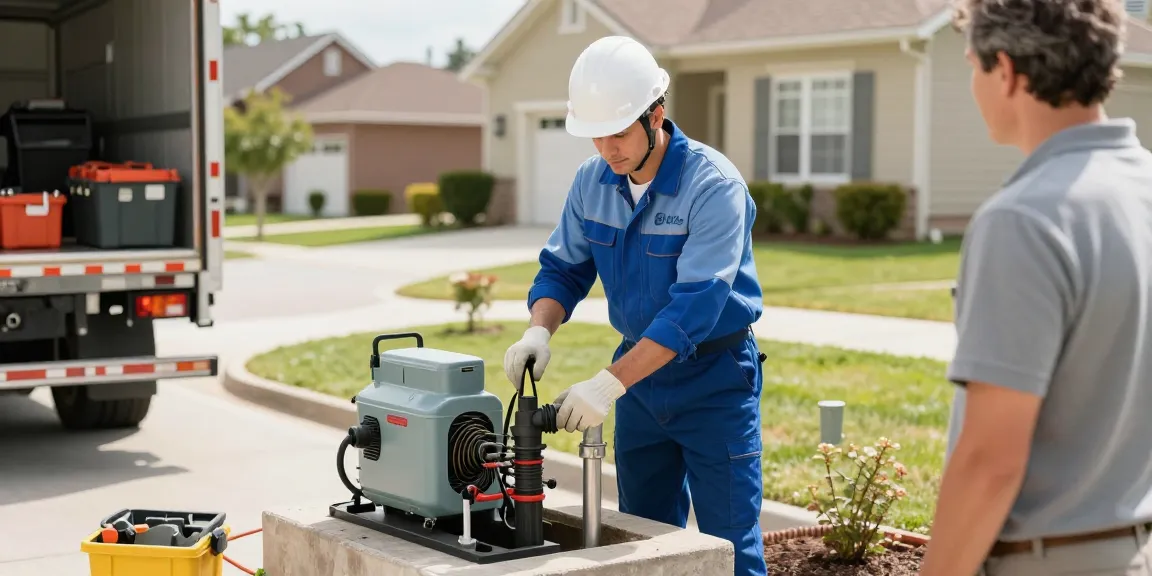
The Importance of Regular Septic Maintenance
Regular septic maintenance is crucial for homeowners in ensuring the long-term functionality of their septic systems. Neglecting maintenance can lead to expensive repairs, environmental pollution, and potential health hazards. Understanding your septic system’s operation and committing to a scheduled maintenance routine can save you significant time and money. When exploring options, septic maintenance provides comprehensive insights into the best practices for prolonging the life of your system.
Understanding Your Septic System
A septic system is a self-contained, underground wastewater treatment structure composed of a septic tank and a drain field. It processes and treats wastewater from your home, separating solids from liquids. Over time, solid waste accumulates in the tank, and the liquids percolate into the soil in the drain field. Proper maintenance ensures that your septic system continues to function effectively without causing issues such as backups or overflows.
Signs of a Failing Septic System
Being vigilant about the signs of a failing septic system can help you address potential issues before they escalate into serious problems. Common indicators include:
- Lingering odors around the septic tank or drain field.
- Slow drains or frequent backups in household plumbing.
- Pooling water or wet spots in the yard, especially over the drain field.
- Unusually green, lush grass in one area of your yard.
If you notice any of these signs, it’s essential to contact a licensed septic maintenance provider as soon as possible to avoid costly repairs.
How Regular Maintenance Saves You Money
Investing in regular septic maintenance reduces the risk of severe damage that could necessitate expensive replacements. Routine inspections and pumping every 3-5 years can prevent sludge buildup and ensure that your system operates efficiently. By proactively managing your system, you can avoid the high costs associated with emergency services and unexpected repairs.
Choosing the Right Local Septic Maintenance Provider
Selecting a reliable septic maintenance service is crucial. A qualified provider will help prolong the life of your septic system and ensure compliance with state and local regulations. Consider the following qualities when evaluating potential providers:
Qualities to Look For in a Trusted Provider
- Licensing and Insurance: Ensures that the service is legally permitted to operate and is protected against liability.
- Experience: Look for providers with a proven track record in your area.
- Positive Reviews: Check online reviews and testimonials to gauge customer satisfaction.
- Transparent Pricing: A reputable provider will offer clear quotes and explain all potential costs upfront.
Questions to Ask Before Hiring
When interviewing potential septic maintenance providers, consider asking the following questions:
- How often do I need to pump my septic tank?
- What is the expected lifespan of my septic system with regular maintenance?
- Can you provide references from past clients?
- What procedures do you follow in the event of an emergency?
Understanding Licenses and Certifications
Ensuring that your service provider holds the necessary licensing and certifications is fundamental. Most states require septic service companies to be licensed, which validates their expertise and understanding of local regulations. Look for certifications from professional organizations, such as the National Association of Wastewater Technicians, as these can indicate higher standards of service.
A Comprehensive Guide to Septic Maintenance Costs
Understanding the costs associated with septic maintenance is essential for budgeting and decision-making. The following sections break down various aspects of septic maintenance pricing.
Average Costs for Septic Maintenance in 2026
The cost of septic maintenance can vary based on several factors, but on average, homeowners can expect the following ranges:
- Septic tank pumping: $300 – $500
- Routine inspections: $100 – $300
- Repairs: $500 – $5,000 depending on the issue
Regular maintenance can help keep costs down, as addressing small issues early often prevents larger, more expensive problems.
Factors That Influence Pricing
Several factors can influence the price of septic maintenance services, including:
- The size and type of your septic system.
- Geographical location and accessibility of your property.
- Additional services required, such as repairs or replacement components.
Cost vs Value: DIY vs Professional Maintenance
While some homeowners may consider DIY methods for maintaining their septic systems, such as adding bacteria or enzyme treatments, professional maintenance is often worth the investment. Trained technicians can identify underlying issues, ensuring your system operates correctly and complies with all regulations. Additionally, professional services come with expertise and warranties for peace of mind.
Common Septic Maintenance Services in Your Area
There are several key maintenance services provided by septic professionals that homeowners should familiarize themselves with:
Routine Pumping and Inspection Services
Routine pumping every 3-5 years helps remove accumulated solids from your septic tank. Inspections can identify potential problems, ensuring that your system operates correctly.
Emergency Services Available for Septic Issues
In the event of a septic emergency, many providers offer same-day service to address issues with backups or failures. It’s important to know which local companies provide emergency services and their typical response times.
Seasonal Maintenance Tips for Homeowners
Seasonal maintenance plays a critical role in the health of your septic system. Homeowners should:
- Manage water usage during heavy rains to prevent system overload.
- Ensure that your drain field remains free of debris and vegetation.
These simple steps can prevent significant maintenance issues down the line.
Community Regulations and Best Practices for Septic Systems
Each community has its regulations regarding septic systems to protect public health and the environment. Understanding these regulations is vital for compliance and safe system operation.
Local Regulations Impacting Septic Maintenance
Local health departments typically regulate septic systems. You must understand the requirements for installation, maintenance, and inspection in your area to avoid potential fines or issues. It’s advisable to contact your local health entity or sewage authority for the latest regulations.
How to Stay Compliant with County Guidelines
Staying compliant involves keeping up with maintenance schedules and documentation of service visits. Homeowners need to keep records of septic inspections and maintenance, as many areas require proof of care for compliance with local regulations.
Community Involvement and Advocacy for Environmental Health
Participating in local initiatives that advocate for proper septic system management benefits the entire community. Being aware of local environmental health issues helps homeowners contribute to better practices and improve local water quality.
FAQs
How often should I schedule septic maintenance?
Generally, it is advisable to have your septic system inspected every three years, with pumping occurring every three to five years, depending on usage and tank size.
What should I do in case of a septic emergency?
In case of an emergency, such as a backup, stop using water immediately and call a professional septic service for immediate assistance.
Can I perform septic maintenance myself?
While certain tasks, like adding additives, can be done by homeowners, it is highly recommended to have professional inspections and pumping performed to ensure your system is properly maintained.. Additionally, Miltonsepticpumping.com provides further details.


