
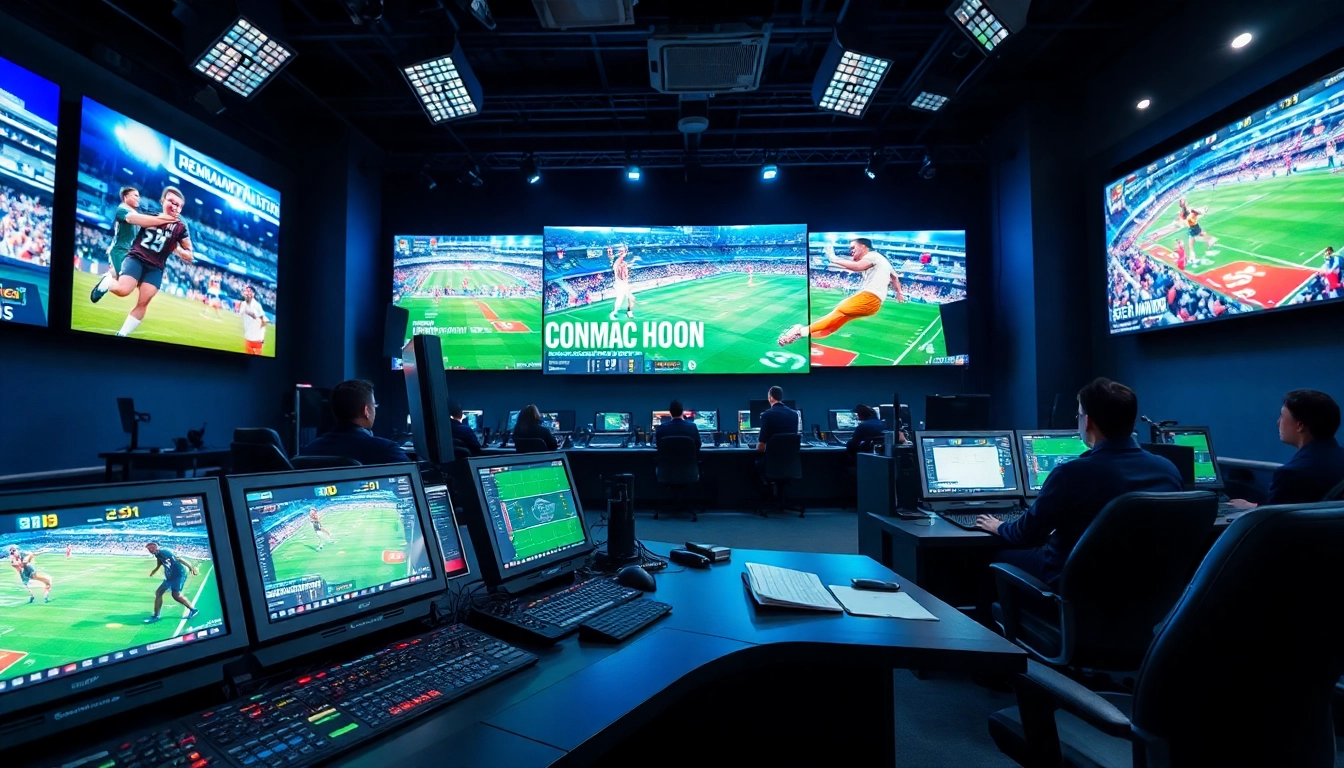
Understanding Sports Broadcasting
Definition and Importance of Sports Broadcasting
Sports broadcasting refers to the live transmission of sports events via media channels such as television, radio, and the internet. It plays an essential role in how fans engage with their favorite sports and teams. This medium serves not only to relay thrilling moments in real-time but also contributes to the revenue stream for teams and sports leagues. By distributing content across multiple platforms, sports broadcasting fosters a global audience, allowing fans to connect with events regardless of geographical constraints. Furthermore, effective broadcasting shapes the narrative around sports events, driving discussions and fan engagement. The role of Sports Broadcasting extends beyond simple coverage; it cultivates a rich atmosphere around the sporting experience, enhancing viewer loyalty and community engagement.
The Evolution of Sports Broadcasting
The landscape of sports broadcasting has undergone tremendous change since its inception. The journey began with radio broadcasts in the early 20th century, where live sports events excited listeners with play-by-play commentary. The advent of television in the 1950s revolutionized the way audiences consumed sports, introducing visual elements that captured the essence of athletic performance. The introduction of cable networks in the 1980s allowed for dedicated sports channels, enhancing coverage and analysis.
With advancements in technology, sports broadcasting has continually adapted. Digital platforms emerged in the 2000s, and now serve as crucial players in the industry. Social media, streaming services, and mobile applications have reshaped how sports content is delivered and consumed. These changes create exciting opportunities for fan interaction and real-time engagement, allowing viewers to customize their experiences based on preferences.
Different Forms of Sports Broadcasting
Sports broadcasting takes several forms, each designed to cater to diverse audience needs:
- Live Telecasts: These are the traditional broadcasts of games and events, viewed on television or online, typically featuring comprehensive commentary.
- Radio Coverage: Offers an auditory experience focusing solely on commentary and analysis, providing insights that enhance the listener’s understanding of the event.
- Streaming Services: Services like Netflix and Amazon Prime are beginning to acquire live sports broadcasting rights, making games available on demand.
- Social Media Clips: Short highlight reels shared on platforms like Twitter, Instagram, and TikTok attract younger audiences, fueling engagement through shareable content.
Core Components of Sports Broadcasting
Key Technologies in Sports Broadcasting
The technologies underpinning sports broadcasting are evolving rapidly, influencing the overall viewer experience. High-definition (HD) broadcasting offers sharper images, while ultra-high-definition (UHD) enhances clarity even further. 4K technology is gaining traction, providing viewers with stunning visuals that immerse them in the action. Additionally, virtual reality (VR) and augmented reality (AR) are set to transform the way spectators interact with live events, offering unique perspectives and stats through immersive content.
Moreover, cloud computing offers broadcasters more flexibility in managing resources, enabling them to deliver seamless streams of content across various platforms. The advent of multi-camera setups allows for dynamic coverage, giving producers the capability to switch feeds in real-time, thus enriching storytelling during broadcasts.
The Role of Commentary and Analysts
Commentary and analysis serve as the backbone of sports broadcasting, guiding viewers through the complexity of each event. Commentators provide live, verbal play-by-play descriptions, heightening the excitement through expressive language and expert insights. Analysts contribute depth by breaking down strategies, performances, and statistics, providing context that enriches the viewing experience.
These craftsmen of information not only enhance understanding but also personalize the connection between audiences and athletes. The delivery of human interest stories during broadcasts helps foster emotional engagement, creating narratives that resonate with viewers on a deeper level.
Engagement Strategies in Sports Broadcasting
Effective engagement strategies are critical for maximizing viewer retention and building a loyal audience. Broadcasters are increasingly utilizing interactive features such as live polling, allowing fans to express opinions during games and even influence broadcast content. Implementing fan-driven segments, where audience members can ask questions to analysts, can personalize the experience and build community.
Additionally, integrating social media with broadcasting creates a two-way conversation, granting fans a platform to share thoughts and content during events. Hashtags, contests, and challenges can amplify audience reach, encourage participation, and foster a sense of belonging among fans.
Challenges in Sports Broadcasting
Managing Live Broadcasts
Live broadcasting presents unique challenges, mainly due to the unpredictability of real-time events. Technical issues such as equipment failure or broadcast delays can disrupt the viewing experience. To mitigate these challenges, it is essential for broadcasters to have backup systems in place, including alternative feeds and contingency plans. Rigorous pre-game preparation, rehearsal of logistics, and staff training can ensure a smoother broadcast experience.
Furthermore, unexpected events such as weather disturbances or emergencies may arise during a live event. Therefore, a quick decision-making framework and a skilled team are paramount in navigating these situations, guaranteeing the safety of all involved and providing viewers with timely information.
Legal Issues Surrounding Sports Broadcasting
Legal complexities pose significant challenges within the sports broadcasting landscape. Rights ownership, licensing agreements, and exclusivity clauses complicate access to content. Broadcasters must navigate a web of legal stipulations to secure broadcasting rights that may vary by jurisdiction and platform.
Furthermore, licensing agreements can change frequently, which means broadcasters need to remain agile and well-informed about current regulations. Failing to comply with legal requirements can result in hefty fines and loss of broadcasting privileges, making legal counsel crucial to sustain a successful operation.
Adapting to Audience Preferences
Understanding and swiftly adapting to audience preferences is essential in a landscape marked by rapidly shifting viewing habits. The rise of on-demand viewing and a preference for mobile consumption indicates the need for flexibility in content delivery. Broadcasters need to continually analyze viewer data to tailor offerings that align with audience desires.
Engaging younger audiences requires innovative approaches such as producing short-form content or developing interactive experiences via social media platforms. Additionally, partnering with influencers familiar with the targeted demographic can cultivate a broader audience base and strengthen viewer connections.
Best Practices for Successful Sports Broadcasting
Effective Use of Social Media
Social media serves as an invaluable tool for enhancing reach and building a community around sports broadcasting. Real-time updates, behind-the-scenes content, and interactive posts create a vibrant online presence that complements traditional broadcasting. Platforms like Twitter and Instagram allow broadcasters to engage directly with audiences, fostering real-time interactions during events.
Creating specific hashtags for events can encourage audience participation and sharing, amplifying live discussions and promoting user-generated content. Additionally, leveraging video snippets or highlight reels on platforms like TikTok can successfully attract younger segments who prefer short, captivating content.
Building a Unique Brand Voice
A compelling brand voice differentiates broadcasters in a crowded market. Establishing a consistent tone—whether it be authoritative, humorous, or fan-centric—creates familiarity and reinforces loyalty among viewers. This voice should permeate all aspects of the broadcast, from commentary styles to social media posts.
Broadcasters should invest in cultivating personalities with a distinct voice that resonates with fans. Engaging with viewers through authentic interactions strengthens connections and builds community, fostering long-term loyalty.
Analyzing Audience Engagement Metrics
Collecting and analyzing audience engagement metrics is paramount for optimizing sports broadcasting strategies. Tools like analytics dashboards provide insights into viewer behaviors, preferences, and demographic information, allowing broadcasters to assess the effectiveness of their content.
Metrics such as average viewing time, interaction rates on social media, and audience feedback should inform decisions regarding content production and delivery. Broadcasters should conduct regular assessments to adjust tactics based on proven performance, thereby ensuring relevance and continued viewer interest.
Future Trends in Sports Broadcasting
The Impact of Streaming Services
The rise of streaming services has profoundly impacted the sports broadcasting landscape. As traditional cable viewership declines, sports leagues and teams are increasingly embracing streaming models to reach wider audiences. Subscription-based services provide personalized viewing experiences and allow for greater flexibility in broadcasting schedules.
By diversifying revenue streams, leagues can create unique content that deepens fan engagement, such as exclusive behind-the-scenes features or sports documentaries. As competition increases within digital streaming, integrating user feedback into programming will be essential for retention and satisfaction.
Innovations in Broadcast Technology
Continued innovations in broadcast technology promise to redefine the sports viewing experience. Technologies such as artificial intelligence (AI) and machine learning are being incorporated into real-time analytics, allowing broadcasters to deliver richer content and personalized highlights.
Moreover, enhancements such as drone cameras and 360-degree video capabilities introduce fresh angles and perspectives during live events, sparking viewer interest. Broadcasters must continuously invest in new technologies to maintain a competitive edge and elevate fan experiences.
Preparing for the Next Generation of Viewers
As audience demographics evolve, sports broadcasters must stay attuned to the preferences and habits of the next generation of viewers. Younger audiences seek diverse content that embraces inclusivity and represents a variety of cultural backgrounds. Broadcasters need to create programming that celebrates diversity and resonates with these audiences, ensuring relevance in the long run.
Furthermore, embracing gamification can engage younger viewers, offering interactive experiences that complement traditional broadcasting. By focusing on delivering compelling content tailored to emerging preferences, broadcasters can ensure their relevance as cultural consumption continues to change.
FAQs about Sports Broadcasting
What is sports broadcasting?
Sports broadcasting involves transmitting live sports events through television, radio, or online media, allowing fans to engage with their favorite sports in real-time.
How has technology impacted sports broadcasting?
Technological advancements have improved broadcast quality with HD and 4K capabilities, and innovations like VR enhance viewer engagement through immersive content.
What are the challenges faced in sports broadcasting?
Challenges include managing live broadcasts, legal issues related to rights management, and adapting to changing audience preferences and viewing habits.
How can social media enhance sports broadcasting?
By using social media, broadcasters can engage fans in real-time, share highlights, and facilitate discussions, creating a dynamic community around live events.
What are the future trends in sports broadcasting?
Future trends include the continued rise of streaming services, innovations in broadcast technology, and the need to engage the upcoming generation of viewers.